Bush Hogging in Clarksville, TN
Rotary cutting on a cycle for fields, pasture and idle ground, with a straight answer about the stem size where this method stops working.
Get a Free Land Clearing Quote in Clarksville
Tell us the acreage, the road it fronts and what the ground has to do afterwards. Form requests are answered the same working day, and every quote follows a site walk.
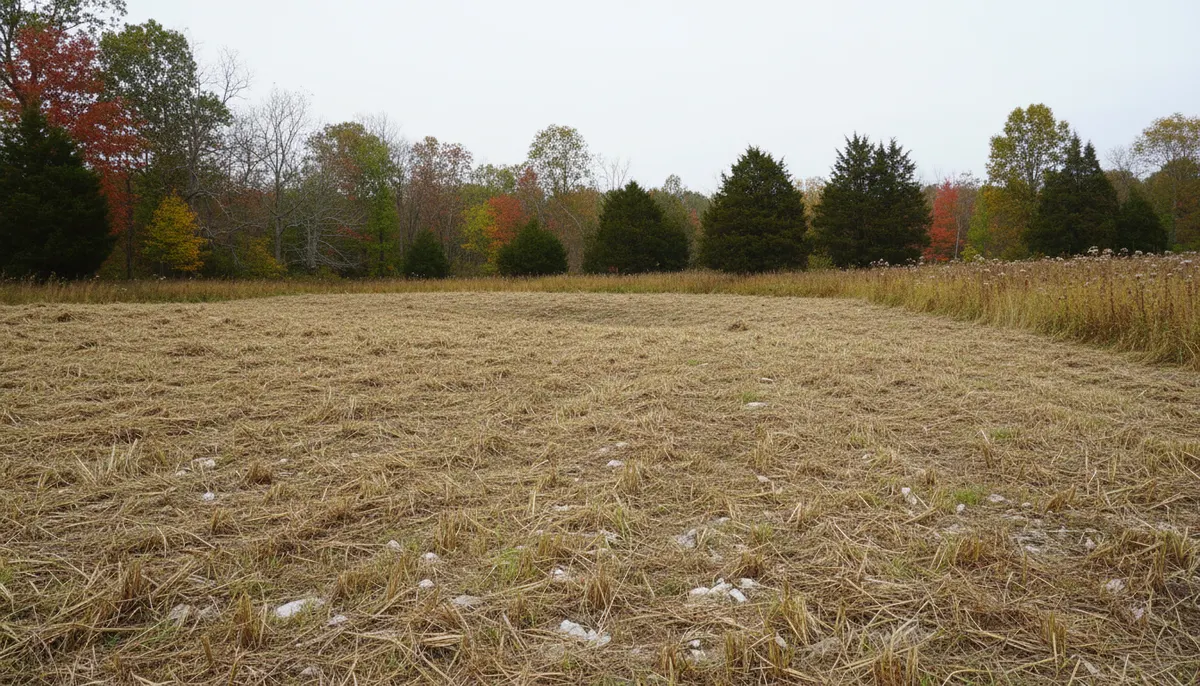
Bush hogging services in Clarksville, TN are maintenance, not clearing, and the difference decides whether the job is worth booking. A rotary cutter behind a tractor takes grass, weeds, briar and light saplings off at a set height on a cycle. It does nothing useful to woody stems above a couple of inches, and nothing at all to roots. Past that point the answer is a mulching pass first, then a cutting cycle to hold it.
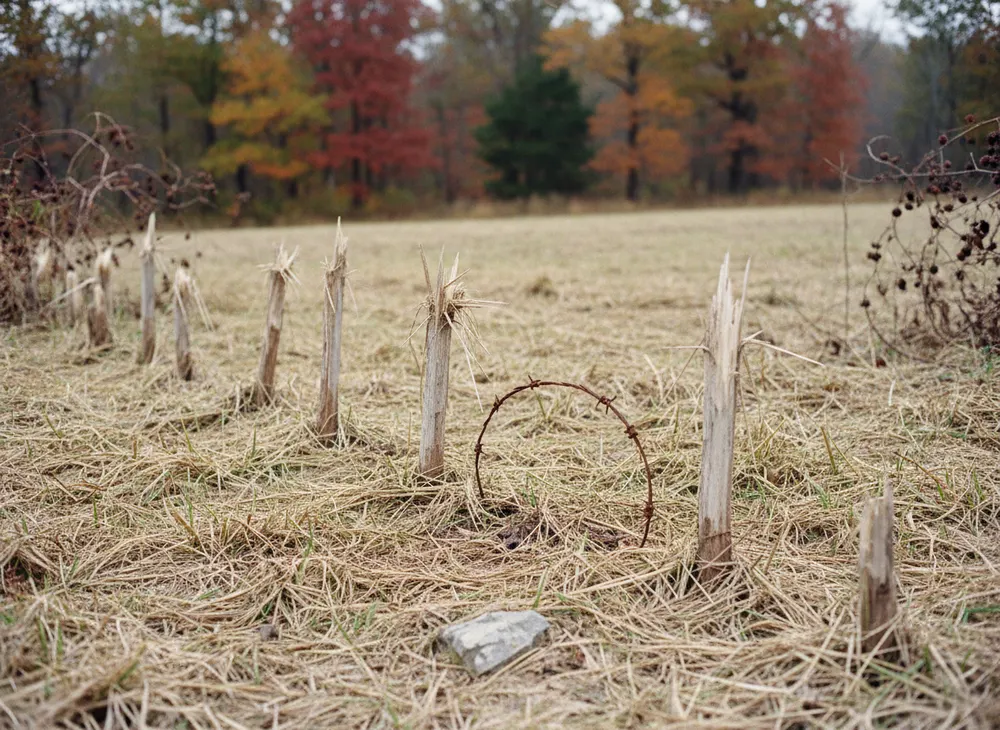
Ground a Rotary Cutter Suits
Hay ground and pasture
Knocking back what the stock will not eat, before thistle and briar seed.
Idle acreage between uses
A lot held for later, kept open so it never needs clearing again.
Strips and edges
The margins beside a drive, a fence or a treeline, where growth creeps in.
The Cutter and Its Limits
Tractor-mounted rotary cutter
A heavy blade turning inside a deck, sized to the tractor rather than the field. A maintenance tool, which is why it is cheap per acre in grass.
Cutting height
High enough to leave cover, low enough to take the seed heads. Scalping a field costs the root reserve that regrows it.
What stops the machine
Rock, stumps, old wire and washouts, none visible in standing growth. That is why a first cut goes slower.
How a Cutting Visit Runs
-
Walk it and flag the hazards
Rock, stumps, wire and soft spots get marked before the first pass.
-
Set the height, then cut
Height is agreed against what the ground is for, and the pattern throws material away from fences.
-
Agree the next visit
The interval is set from what regrew rather than from a calendar, and priced at the same time.
Where Rotary Cutting Stops Paying
The stem size ceiling
A rotary cutter is built for grass, weeds and light saplings. Above a couple of inches of woody stem it stops being maintenance: the deck takes the load, the cut goes ragged, and what stands afterwards is a field of splintered stobs that puncture tyres for years. Cutting also does nothing to the root system. Oak, hickory, red maple and sweetgum sprout from a cut collar, so a field cut once and abandoned comes back thicker, several stems from each stool. That is the economics of a cycle. Held on a short interval the cutter meets soft growth and the work is cheap. Left five years, the same field needs a mulching pass at the Tennessee band of $1,105 to $1,950 per acre before a cutter is any use again, and taking the roots out for good is grubbing at $2,600 to $4,160 per acre.
What the ground hides, and when it carries a tractor
This county is karst. The limestone under it produces sinkholes and soft ground that a season of growth hides completely, and a cutter travelling at speed finds them abruptly. Old fence wire is the other one, because a wrap round a blade shaft is a repair rather than an inconvenience. Both are why a first cut is walked and flagged, and quoted slower than a repeat visit. Timing matters as much. March through May bring 14.60 inches of rain between them against 6.44 inches across August and September, and the Dickson fragipan perches water above a dense layer, so spring ground carries a tractor badly and an April cut leaves ruts that outlast the growth you removed.
Bush Hogging Rates Around Clarksville
Priced hourly against the $110 to $250 contractor band, because no Tennessee survey publishes a cutting rate
The published Tennessee tables cover clearing and mulching, not rotary cutting, so we quote by the hour and show the clearing bands beside it.
| Scope | Typical range | What it covers |
|---|---|---|
| Field on a regular cycle | $110 to $250 per hour | Soft growth on known ground, no hazard walk. |
| First cut after a season or two | $110 to $250 per hour | Same band, more hours, plus the hazard walk. |
| Too woody to cut, step up to mulching | $1,105 to $1,950 per acre | The Tennessee mulching band, priced by area. |
What moves the price
- Density, which spans a three to eight times range on its own.
- Slope. Moderate grades add 20 to 30 percent, steep ground 40 to 60 percent.
- Hidden rock and debris, worth another 20 to 40 percent.
- Access. A field the trailer cannot reach adds roughly $500 to $1,500.
- Area. Five acres and up typically earns a 10 to 25 percent volume discount.
Eight acres of old pasture with a season of growth is about a day for one tractor. At the contractor hourly band that is roughly $880 to $2,000 for an eight-hour day, before the volume discount that acreage usually earns. Left until the stems go woody it moves into the mulching band instead.
What a Cutting Contract Covers
The interval is set on your ground
Agreed from what regrew last time rather than from a schedule that suits us.
Hazards get flagged, not discovered
New ground is walked before cutting, and what we find goes on the record.
We say when to change method
When stems outgrow the cutter we say so, rather than billing hours against ground that needs another machine.
Rotary Cutting Questions
Is bush hogging the same as brush hogging?
They are used interchangeably, and which one you hear is local habit rather than anything technical. Both mean a rotary cutter behind a tractor cutting at a set height.
Will cutting kill the saplings?
No. It takes the top and leaves the root collar alive, and hardwoods answer by sending up several stems where there was one. A cut field thickens over time unless the interval is short enough to exhaust the stools or the roots come out.
Can you cut in the rain or straight after it?
Wet growth ropes and mats rather than shattering, which loads the deck and leaves windrows that smother what is under them. Wet ground is the bigger problem on fragipan soils, where a tractor ruts ground that looks firm.
How often should a field be cut?
Often enough that the cutter meets soft growth, judged from the last regrowth on your ground. Ground that has closed in entirely is a clearing job first and a cutting job afterwards.
What happens to the material?
It drops where it is cut and breaks down as litter. No haul-off, no chipping charge and no burn permit to think about, which is much of why this is the cheapest maintenance on open ground.
When You Need More Than a Cutter
Grinding down what the cutter cannot take is the step up once stems go woody, leaving a mulch layer instead of stobs.
Putting an overgrown field back into pasture usually starts before the first cutting visit.
Clearing ground that has closed in completely is priced by density class rather than by the hour.
Book a Site Walk on Your Acreage
Send the parcel details and we will walk the ground, measure the disturbed area, check the stormwater threshold and put a written scope in front of you before any machine is booked.